Mold, Moisture, and Your Home: What Every South Metro Homeowner Should Know
The Invisible Threat: Understanding Mold in Your Home
As a homeowner, "mold" is a word that can cause instant anxiety. The truth is, mold spores are part of the natural environment—they’re floating in the air both indoors and out. They only become a problem when they find the three things they need to thrive: moisture, a food source (like wood or drywall), and warmth.
At Trailblazer Home Inspections, we believe the best defense against mold growth is understanding the core issue. By managing moisture, you can keep your home safe, dry, and healthy.
The Golden Rule: Moisture Control is Mold Control
If there is one key takeaway to remember about home maintenance, it is this: Molds will not grow without water or moisture.
Mold begins growing indoors when its spores land on surfaces that are wet or damp. This means the single most important action you can take to prevent a mold issue is to act quickly when you have a leak or spill.
The 48-Hour Deadline
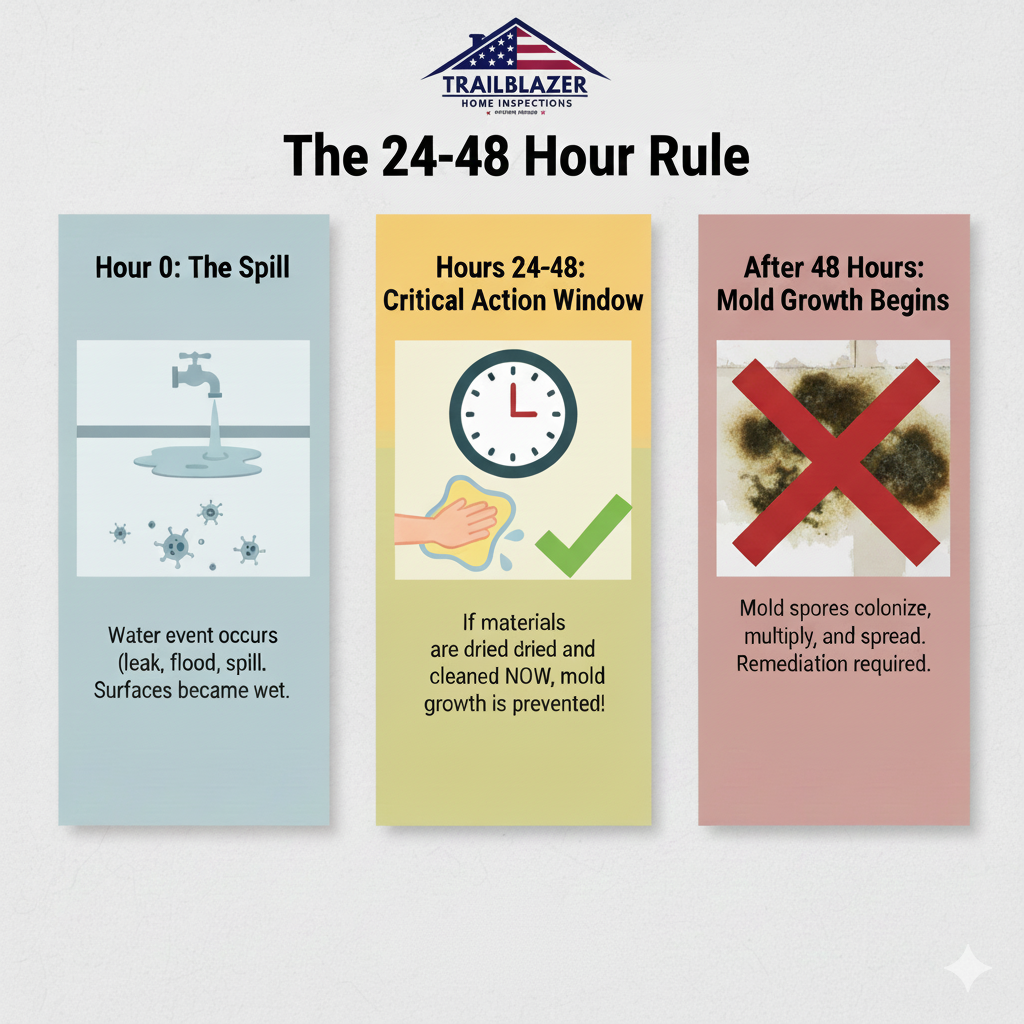
Time is your greatest ally. According to building science standards, if wet or damp materials are dried within 24 to 48 hours after a leak or spill occurs, in most cases, mold will not have the opportunity to take hold.
However, in the real world, leaks aren't always obvious. They happen behind walls, inside floor joists, or under kitchen cabinets where they go unnoticed for weeks. This is where many homeowners run into trouble.
How We Help You Stay Ahead of the Curve
At Trailblazer Home Inspections, I believe that identifying a "hidden" leak is just as important as finding a structural defect. As the #1 rated, veteran-owned inspector in Farmington, I use advanced diagnostics to help you protect your home before moisture damage becomes a permanent problem:
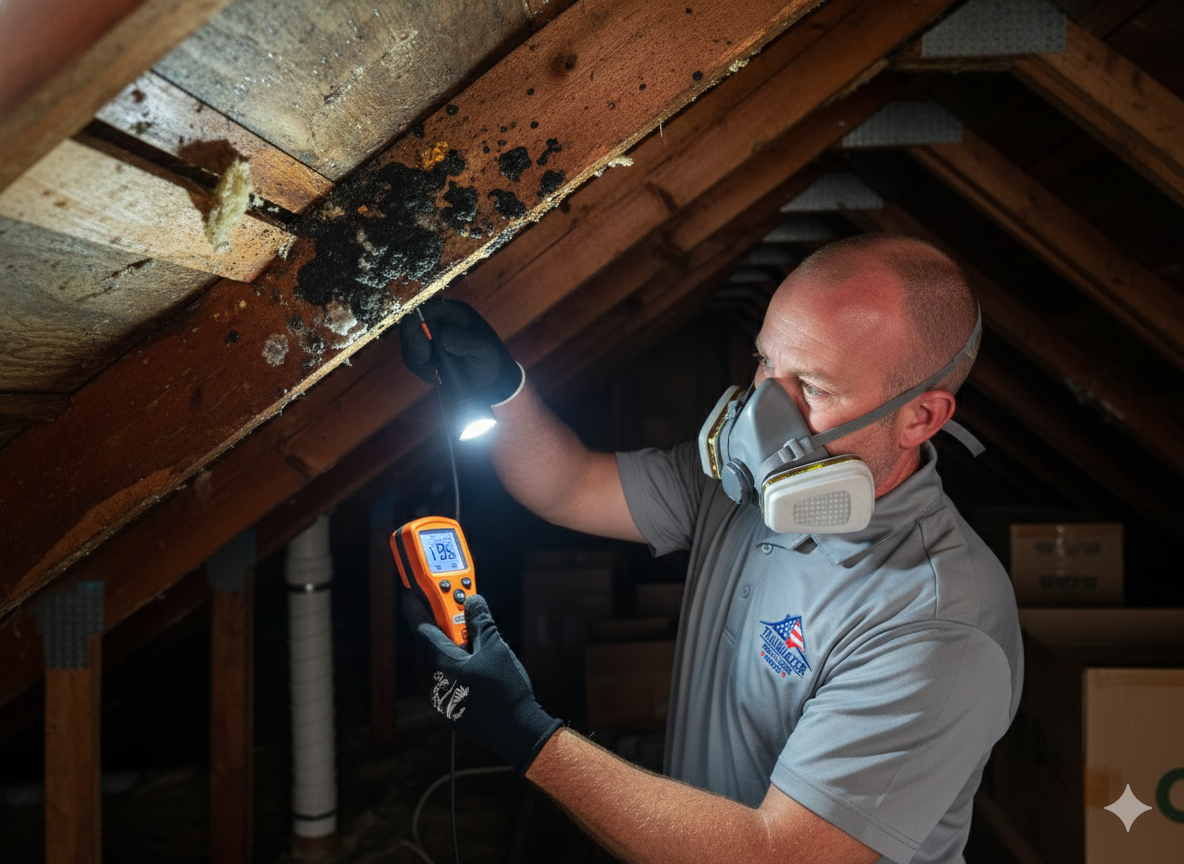
Thermal Imaging for "Invisible" Leaks: Since I include thermal imaging with every inspection, I can often detect the cool temperature signatures of active moisture behind walls or ceilings—even if the surface looks completely dry to the naked eye.
Targeted Moisture Mapping: I don’t just look for stains; I actively scan high-risk areas like plumbing chases, window frames, and basement corners to ensure your home’s "envelope" is performing correctly.
Maintenance Guidance: During your inspection, I’ll show you exactly where to look for early signs of moisture, helping you prevent issues before they escalate into costly repairs or health hazards.
Don't Wait Until You See the Damage
The best time to address a moisture issue is before it becomes a mold colony. If you’re buying a new property in the South Metro or just want a professional "health check" on your current home, I am here to provide the insights you need.
Why You Can't Ignore the Moisture: The Root Cause of Mold
In the natural world, mold plays a vital role in breaking down dead organic matter. Inside your home, however, it is an aggressive invader that feeds on your structural materials, carpets, and drywall. This is exactly why mold growth must be avoided at all costs.
A common mistake many homeowners make is attempting to clean up the mold without addressing the source of the humidity. If you clean up the mold but don't fix the underlying water problem, the mold is highly likely to return.
Finding the Source: A Trailblazer Inspection
At Trailblazer Home Inspections, my goal is to help you move beyond reactive maintenance. As your local Farmington-based inspector, I look for the "why" behind the moisture. Whether you are dealing with a recurring damp basement or a suspicious stain on a ceiling, simply cleaning the surface is a temporary solution.
We focus on the structural "weak links" that allow moisture to persist in Minnesota homes:
Attic Bypass Issues: I look for air leaks between your living space and your attic. When warm, moist air escapes into the attic, it creates massive condensation issues that lead to mold on roof sheathing.
Improper Grading & Drainage: I assess how water moves around your home. If your grading or downspouts aren't directing water away from your foundation, moisture will eventually find its way into your basement.
HVAC & Ventilation Gaps: Many homes in the South Metro have bathroom fans that vent directly into the attic or insulation cavities. This effectively "pumps" moisture into your home's skeleton, creating a massive risk for hidden growth.
Why Surface Inspection Isn't Enough
Many homeowners rely on a quick visual sweep when they notice a problem. But moisture often hides. By utilizing thermal imaging, I can detect temperature discrepancies that indicate active leaks, missing insulation, or "cold spots" where condensation is silently building up behind your walls.
Identifying these issues before they manifest as visible mold is the key to protecting your property value and your family’s health.
Protecting Your Investment in the South Metro
As a veteran-owned business serving the Farmington, Lakeville, and Eagan areas, I pride myself on providing inspections that offer clarity and long-term peace of mind. You don't just need a list of defects; you need a roadmap for maintaining a healthy, dry home.
Don't let a small moisture issue become a major structural repair.
⚕️ Mold and Your Health: What You Need to Know
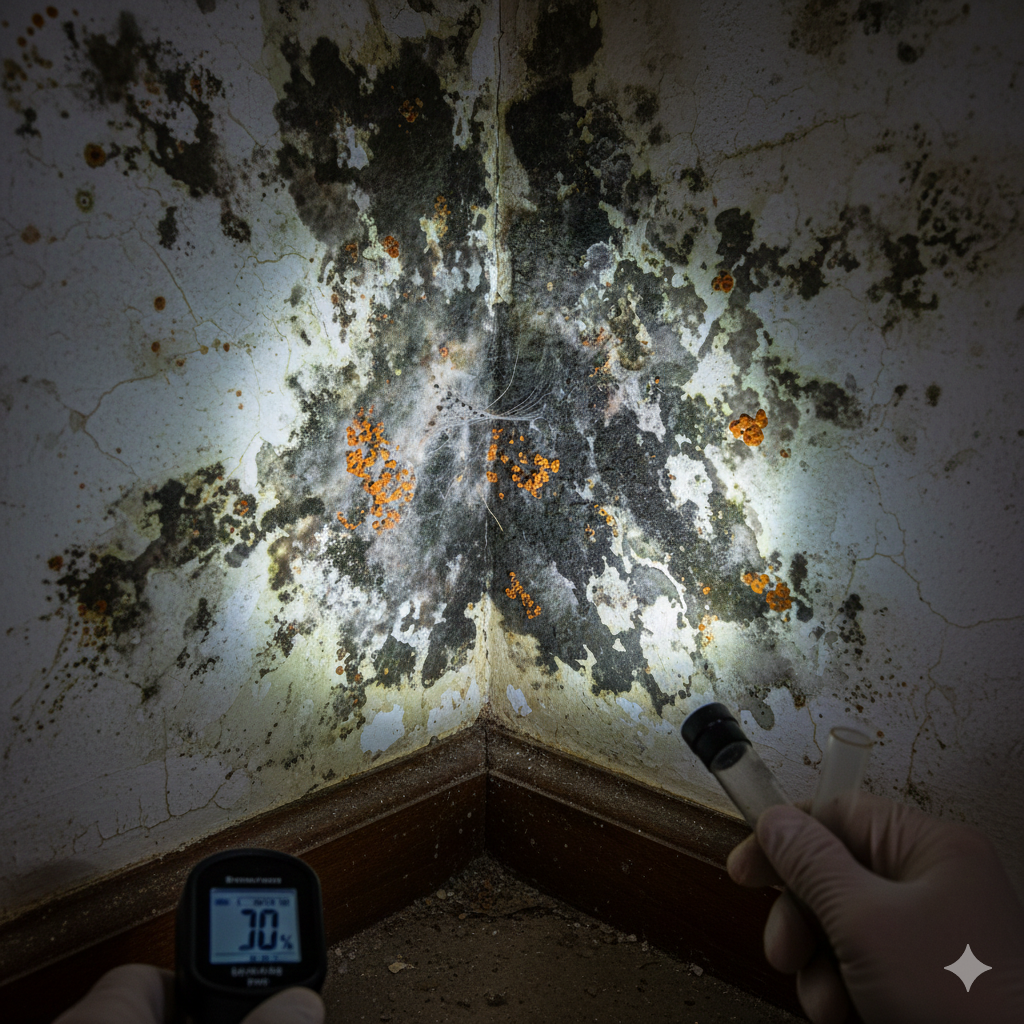
While mold is often invisible, its potential health effects on you and your family are very real. Molds produce allergens, irritants, and sometimes potentially toxic substances known as mycotoxins. When these are present in your indoor air, they can transform a home from a sanctuary into a source of stress.
At Trailblazer Home Inspections, we view every home as a system. If that system isn't breathing correctly, the occupants are the ones who pay the price.
How Mold Impacts Home Occupants
It doesn’t take a massive infestation to notice the symptoms. Even smaller, hidden colonies behind drywall or under carpeting can release enough spores to cause issues. The most common reactions include:
Allergic Reactions: For many, inhaling or touching mold triggers classic hay fever-like symptoms, including persistent sneezing, runny noses, red, itchy eyes, and skin rashes.
Irritation: You don’t have to be "allergic" to be affected. Mold exposure is a known irritant that can cause stinging in the eyes, throat, and lungs, leading to a lingering cough or congestion.
Asthma Triggers: For those with pre-existing asthma, mold exposure can be particularly dangerous, often triggering severe and unpredictable asthma attacks.
Note: While research into the long-term effects of mold is ongoing, if you or a family member suspect that mold is impacting your physical health, please consult a medical professional immediately.
Identifying the Source of the Problem
If you are worried about air quality or mold in your home, the first step is to locate the source of moisture. You cannot "fix" mold health issues by cleaning the air if the building itself is the culprit.
As a #1 rated home inspector in Farmington, I utilize non-invasive, advanced tools—specifically thermal imaging—to find the moisture sources that feed these mold colonies. Whether it is a slow plumbing leak, a poorly ventilated attic, or a basement foundation issue, we help you uncover what is hidden so you can take action.
Why a Proactive Inspection Matters
Many homeowners wait until the symptoms appear before they call for an inspection. But why wait for a health crisis? Whether you are concerned about the air quality in a home you’re planning to purchase or you want to ensure your current home is a safe environment for your family, a professional, veteran-owned inspection can provide the answers you need.
Protect Your Home and Your Health
Don't gamble with your family’s well-being. If you are concerned about moisture and mold in your home, let’s identify the root cause together.
Trailblazer Tip!
〰️
Trailblazer Tip! 〰️
During an inspection, the most common places we find hidden moisture—which often leads to mold—are near vent pipes in the attic, under sinks, and behind old appliances. These are areas homeowners often overlook.
The Trailblazer Guide to Mold Cleanup and Prevention
If you discover mold in your home, it’s easy to feel overwhelmed. However, effective mold management isn't about panic; it’s about a systematic process. To truly protect your home and your family, you must approach the issue in two distinct phases: Cleanup and Prevention.
At Trailblazer Home Inspections, we specialize in identifying the root cause, which is the most critical step in the prevention phase.
Phase 1: Cleaning Up the Existing Mold
Cleaning up mold is about more than just aesthetics; it’s about restoring a safe environment. Follow these professional guidelines to ensure the job is done right:
Stop the Source First: Never begin cleanup without first addressing the water source. Whether it is a burst pipe, a roof leak, or high basement humidity, you must resolve the moisture issue, or the mold will inevitably return.
Restore Hard Surfaces: You can successfully clean non-porous surfaces like tile, glass, metal, or solid wood using a standard detergent and water solution. Once scrubbed, ensure the area is dried completely to prevent recurring growth.
Know When to Discard: If mold has infiltrated porous or absorbent materials—such as drywall, insulation, ceiling tiles, or carpet—it is often best to remove and replace them. Because mold roots can grow deep into these fibers, surface cleaning is rarely sufficient to eliminate the problem entirely.
Avoid "Quick Fixes": Never attempt to paint or caulk over moldy surfaces. Paint and caulk will not kill mold; instead, they will trap moisture underneath, leading to peeling, bubbling, and accelerated decay. You must thoroughly clean and dry the surface before applying any finishes.
Phase 2: Prevention Through Moisture Control
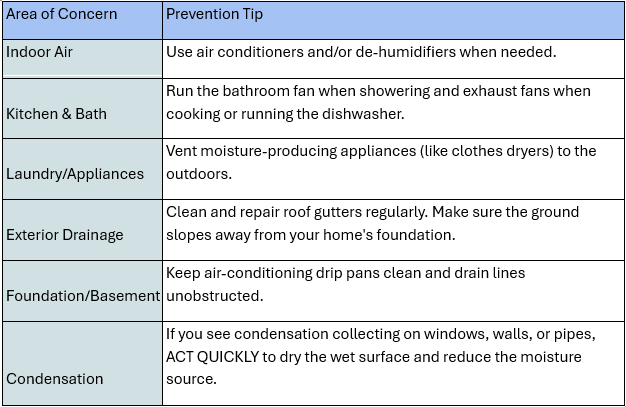
The most effective strategy for ensuring your home stays mold-free isn't cleaning—it’s prevention. Once you have remediated an existing issue, your focus must shift to maintaining a dry, stable indoor environment.
Maintain Optimal Humidity: Aim to keep your indoor relative humidity (RH) between 30% and 50%. During the humid Minnesota summer months, this often requires the use of a high-quality dehumidifier. In the winter, monitor your levels to ensure that excess moisture isn't condensing on cold windows or exterior walls.
Invest in a Hygrometer: You don't need a complex system to monitor your home's health. You can purchase a simple, inexpensive humidity meter (hygrometer) at any local hardware store. Keeping this device in your basement or main living area gives you an immediate "early warning system" for rising moisture levels.
Maximize Ventilation: Always run your bathroom exhaust fans during showers and for at least 20 minutes afterward. Ensure your kitchen range hood is vented to the exterior. If you have an older home in the South Metro, check to see if your exhaust fans are properly ducted—many I inspect are improperly vented into attic spaces, which is a recipe for mold growth.
Control the Perimeter: Preventing moisture starts outside. Regularly clean your gutters and ensure your downspouts extend at least four to six feet away from your foundation. Proper grading is the best defense against a damp basement.
Why this works for your brand:
Actionable Advice: You aren't just telling them "stay dry"—you are telling them how (hygrometers, dehumidifiers, exterior grading).
Expert Positioning: By noting that you often find bathroom fans vented improperly in South Metro homes, you prove you’ve actually been in those crawl spaces and attics, which builds massive trust with your readers.
SEO Optimization: You’ve naturally integrated terms like "relative humidity," "home maintenance," and "South Metro" that will help your site rank locally.