Is a Home Inspection Pass or Fail? Expert Advice for Twin Cities Homebuyers
As a home inspector here in the Twin Cities metro, one of the most common questions I hear from first-time homebuyers is: 'Did the house pass?' It’s a natural question to ask, but it’s based on a common misconception. A home inspection isn't a grade-school test with a pass or fail result. Instead, it’s a detailed diagnostic report designed to give you, the buyer, the information you need to make an informed decision.
What Exactly Is a Home Inspection?
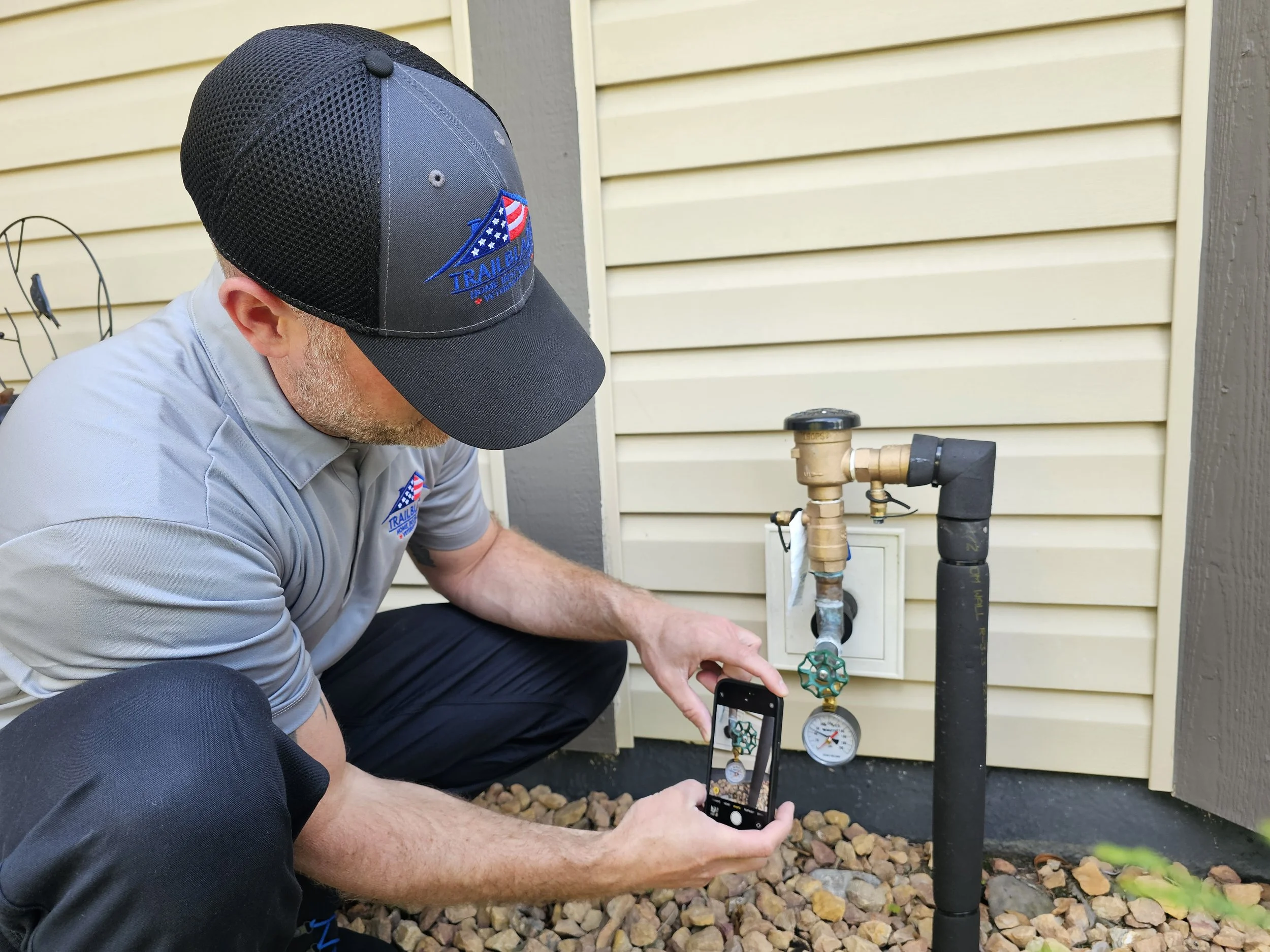
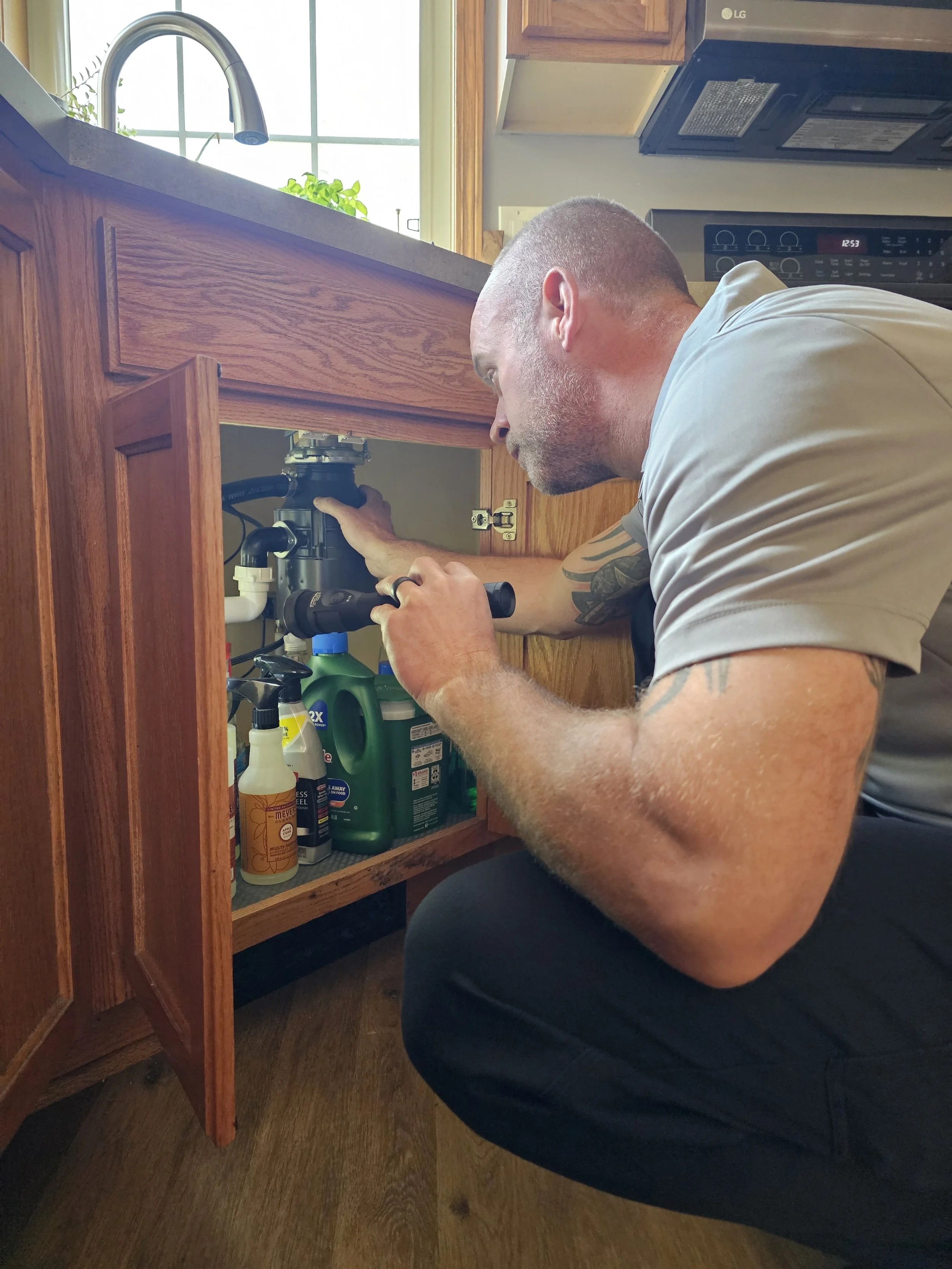
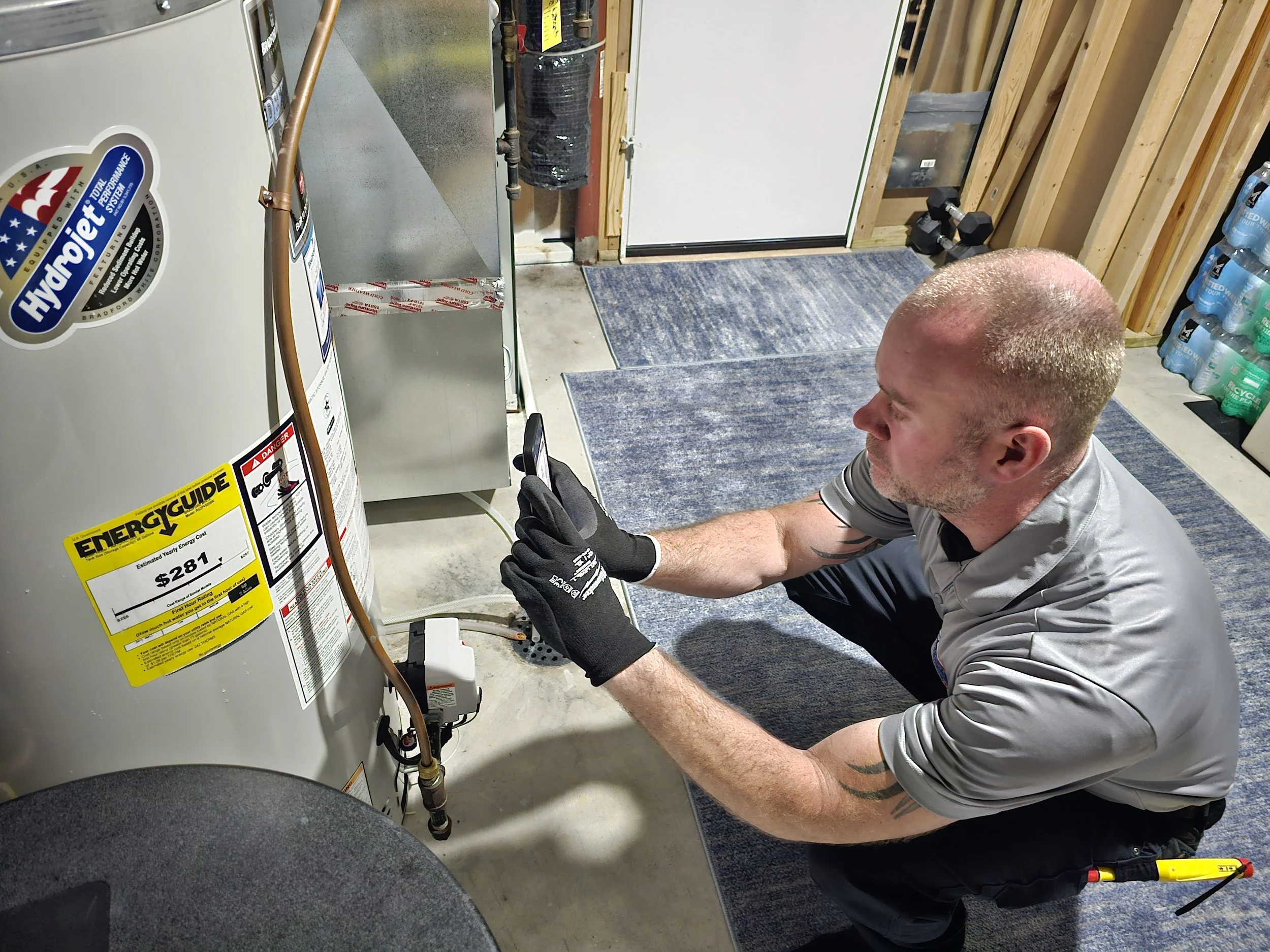
Think of a home inspection as a "physical" for a house. It is a non-invasive, visual assessment of the home’s major systems and components at a specific point in time.
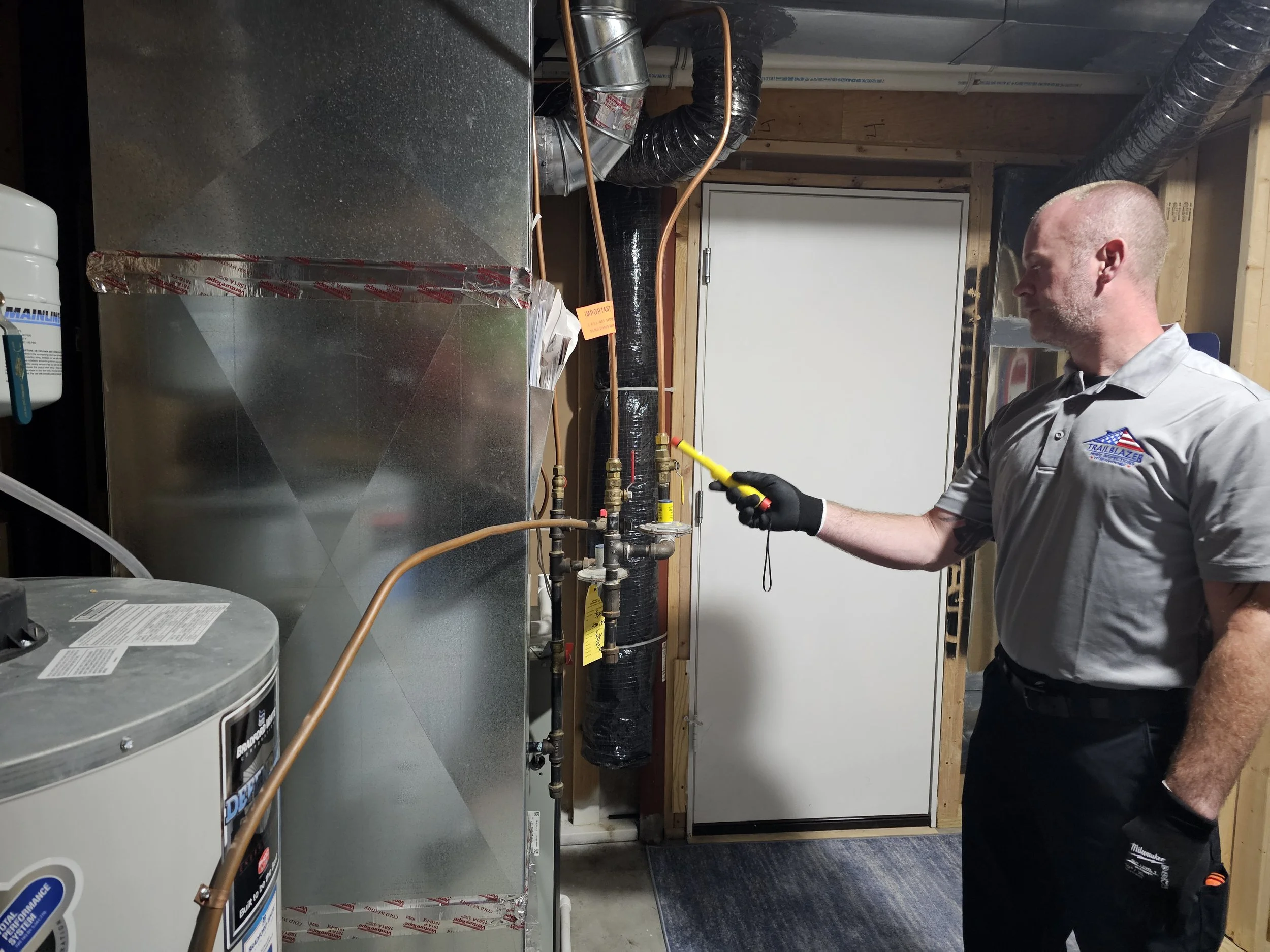
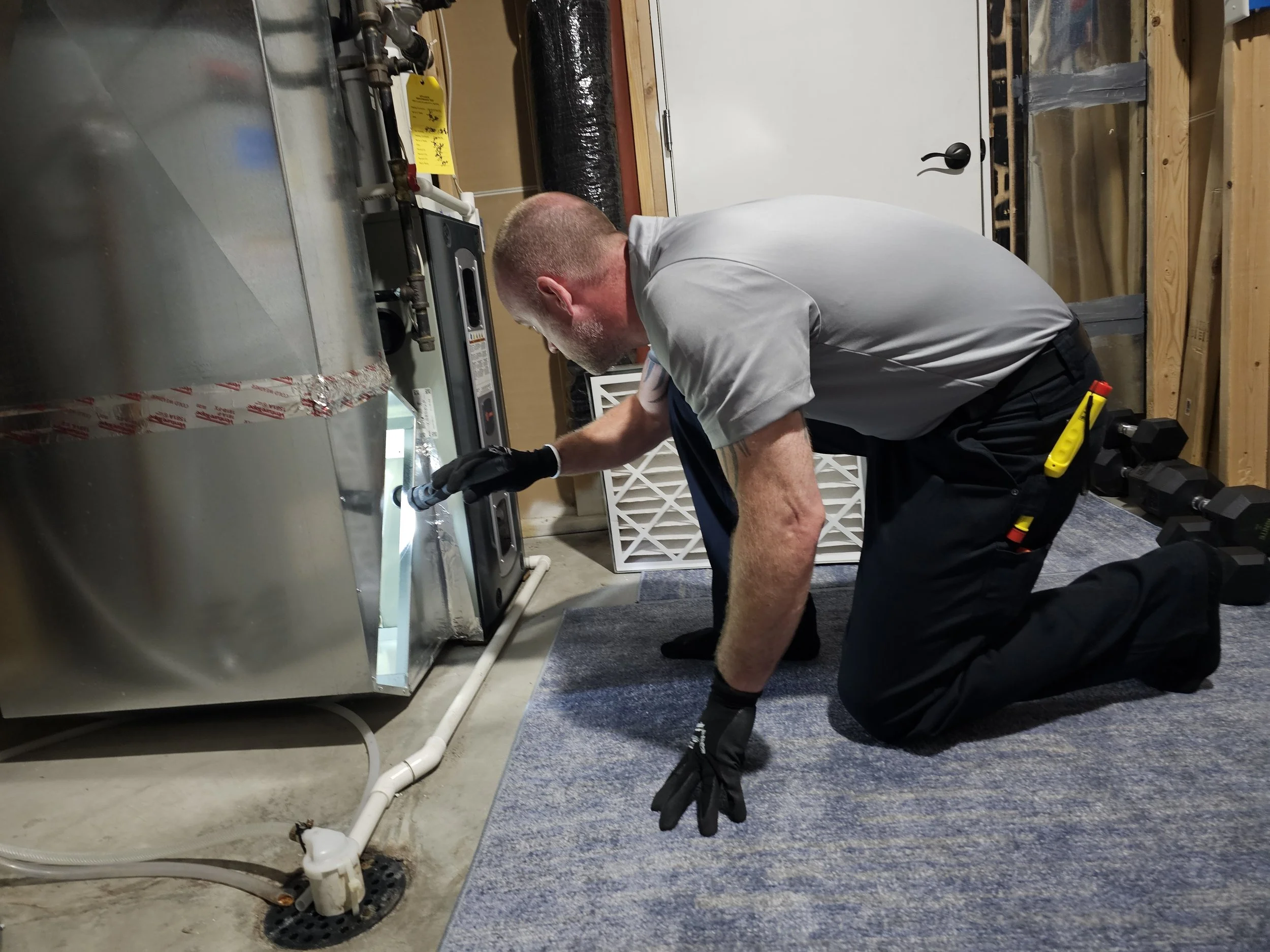
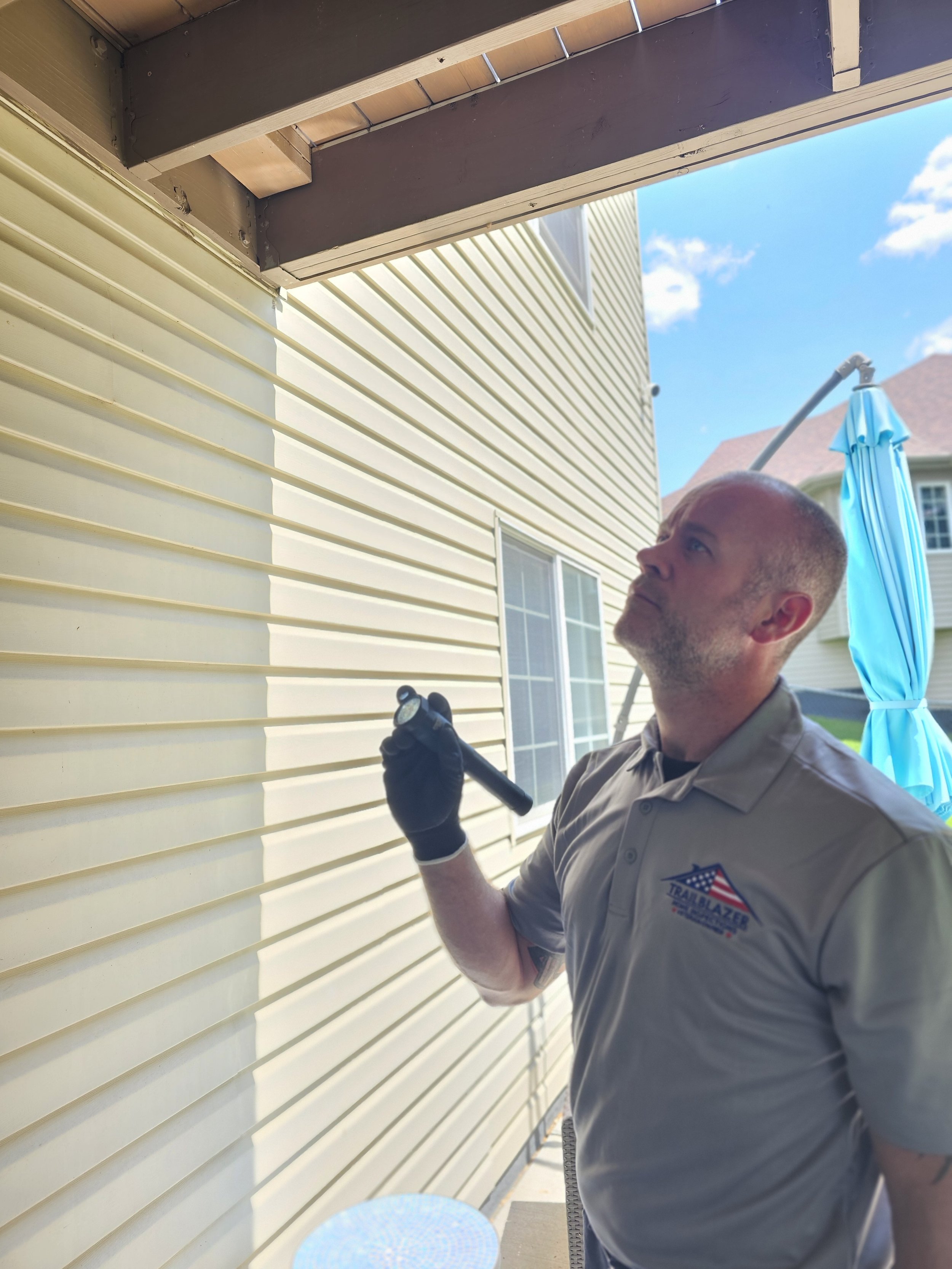
At Trailblazer, our professional inspectors evaluate:
The Shell: Roof, siding, windows, and exterior grading.
The Bones: Foundation, crawlspaces, and structural elements.
The Vital Systems: Electrical, plumbing, and HVAC (heating/cooling).
The Interior: Attic insulation, ventilation, and general safety hazards.
Important Note: An inspection is not a building code check, an appraisal (which determines value), or a guarantee that nothing will ever break. It is a snapshot of the home's condition in that moment.
Why There Is No "Failing" Grade
Unlike a school test, a home inspection doesn't have a grading scale. Homes of every age and price point will have issues. In fact, even new construction homes—which many assume are "perfect"—frequently reveal installation errors or safety concerns during our inspections here in the Twin Cities.
The role of the inspector is to observe and report, not to approve or deny the transaction. Ultimately, a house only "fails" if the findings reveal conditions that are more than you, as the buyer, are willing to handle. My goal is to provide the clarity you need to make that decision with confidence.
Why It Feels Like a "Pass or Fail"
If there is no "failing" grade, why do some real estate deals feel like they fall through because of the inspection? It usually comes down to safety items or significant, unforeseen expenses. While every home we inspect will have issues, certain major findings can change the direction of a deal:
Foundation Movement: Structural settlement that could be costly or complex to repair.
Electrical Hazards: Outdated wiring, unpermitted modifications, or DIY work that presents a fire risk.
Roof Failure: A roof system that is nearing the end of its life and requires immediate replacement.
Moisture & Mold: Ongoing leaks that can lead to air quality issues and long-term structural damage.
When these items appear, it may feel like the home "failed." In reality, the inspection simply did its job: it protected you from surprises you weren't prepared to pay for.
“Don’t sweat the small stuff”
Every Trailblazer Home Inspections report will contain findings labeled as "defects," but they aren't all created equal. We help you categorize these items so you can prioritize your negotiations and your future maintenance budget:
Major Concerns: Significant structural, roof, or safety-related issues that should be the primary focus of your real estate negotiations.
Minor Items: Components nearing the end of their service life, such as aging water heaters or worn weather stripping. These are typically items to budget for in the future rather than reasons to walk away.
Informational Notes: General upkeep issues like peeling paint, loose carpet, or minor cosmetic wear. These items are helpful to know for your "to-do" list but are rarely grounds for holding up a deal.
What Happens After the Report?
Once you receive your Trailblazer Home Inspections report, you are in the driver’s seat. You generally have four paths forward:
Proceed as-is: You are comfortable with the findings and the work required to maintain the home.
Request Repairs: You ask the seller to fix specific safety or structural issues that are important to you before closing.
Negotiate Credits: You ask for a price reduction or closing cost credit, allowing you to handle the repairs on your own terms after you move in.
Walk Away: If the inspection reveals issues that are beyond your budget or risk tolerance, you can use your inspection contingency to cancel the contract.
Trailblazer Tip!
〰️
Trailblazer Tip! 〰️
💡 The Trailblazer Tip: The "Final Hour" Advantage
We always encourage our clients to join us for the final 30 to 60 minutes of the inspection. When you see a finding firsthand—like a piece of loose flashing on the roof or a slow-draining sink—it often looks much less intimidating than it does in writing.
Being there allows you to ask questions in real-time, helping you distinguish between "routine maintenance" (which every home requires) and "major structural red flags." It’s the best way to walk into your closing with total peace of mind.
Note: Our inspection report is kept confidential and is only shared with you, the buyer, and your real estate agent. We always encourage you to work closely with your realtor to discuss how these findings impact your specific transaction.
The Trailblazer Takeaway: Knowledge is Power
So, is a home inspection pass or fail? Neither. It is an investment in clarity. Our goal at Trailblazer Home Inspections isn’t to tell you whether or not to buy a house—it’s to ensure that when you do buy, you know exactly what you’re getting.
Knowledge, not perfection, is the goal of every inspection.
Ready to get the full story on your next home?
Don’t head to the closing table with questions. [Click here to schedule your Trailblazer Home Inspection] and buy with total confidence.