Is Your Water Working Against You? A Home Inspector’s Guide to Twin Cities Homes
You use it to cook, clean, and shower—but water chemistry varies significantly across the Twin Cities. Whether you’re on a municipal supply in Lakeville or Farmington, or you’re relying on a private well in the surrounding rural areas, the mineral content in your water is constantly working behind the scenes.
As a home inspector, I don't just look at the water—I look at what the water is doing to your home. I frequently see the 'footprints' left by hard water:
Appliance Stress: Mineral buildup inside water heaters and dishwashers, which significantly reduces their lifespan.
Fixture Corrosion: Premature wear on faucets and showerheads throughout the home.
Pipe Degradation: How certain water profiles can contribute to scaling or internal corrosion in older plumbing systems.
What you don’t see in your water can affect your skin and your budget. Let’s break down how to spot the signs of poor water quality and what that means for your inspection report.
City Water vs. Well Water: What’s the Difference?
The Reality of Municipal (City) Water
If your home is connected to a municipal supply, your water is treated at a local facility and regulated by state standards. While this provides a consistent, tested supply, it doesn't mean the water is 'perfect' by the time it reaches your kitchen faucet.
What I look for during an inspection:
The Pros: You benefit from consistent supply and regular safety testing by the municipality, which keeps bacteria and heavy contaminants at bay.
The Cons (What I see in the field):
Mineral Load: Many cities in the Twin Cities metro have very 'hard' water. I frequently find significant calcium and magnesium buildup in water heaters and on fixtures, even in homes on city water.
Chlorine/Chloramine Sensitivity: Some homeowners find the taste or smell of municipal additives unpleasant, which often leads them to add secondary filtration systems that I then have to inspect.
Aging Infrastructure: Even if the water leaves the plant clean, it travels through miles of pipes. In older neighborhoods, I sometimes see sediment or rust buildup in the home’s main service line, which can impact your water pressure and overall quality.
The Reality of Private Well Water
In many parts of rural Minnesota and the areas surrounding Farmington and Lakeville, private well water is the standard. Unlike municipal water, this supply comes directly from the ground on your property. While this offers a natural taste, it also shifts the responsibility of quality and safety entirely to you.
What I look for during an inspection:
The Pros: Many homeowners prefer well water because it is free from municipal additives like chlorine or chloramines.
The Cons (The 'Inspector's Perspective'):
Proactive Testing: Because well water isn't routinely tested by a municipality, I always recommend that my clients arrange for independent testing. You have to be your own utility company.
Natural Contaminants: It is common to find iron, sulfur, bacteria, or nitrates in well water. When I inspect a home with a well, I’m looking for clear indicators of these issues, such as staining in sinks, unusual odors, or sediment buildup in the plumbing.
System Stability: Well water quality can change over time due to seasonal water table shifts or issues with the well casing.
Bottom Line: Being a well owner means you are fully responsible for your water’s testing and the health of your treatment systems. During an inspection, my role is to ensure the mechanical system—the pump and pressure tank—is functioning correctly so you can manage your water quality with confidence.

Cloudy vs. Clear Glass
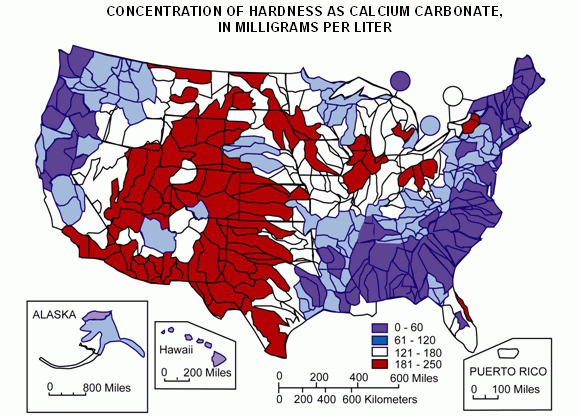
USA Water Hardness Map
The "Hard" Truth About Minnesota Water
Even if your municipal water is technically 'safe,' it might not be 'good.' Minnesota is famous for having some of the hardest water in the nation—water packed with minerals like calcium and magnesium.
As a home inspector, I see the impact of hard water on almost every property I evaluate in the Twin Cities metro. It is the silent contributor to premature equipment failure.
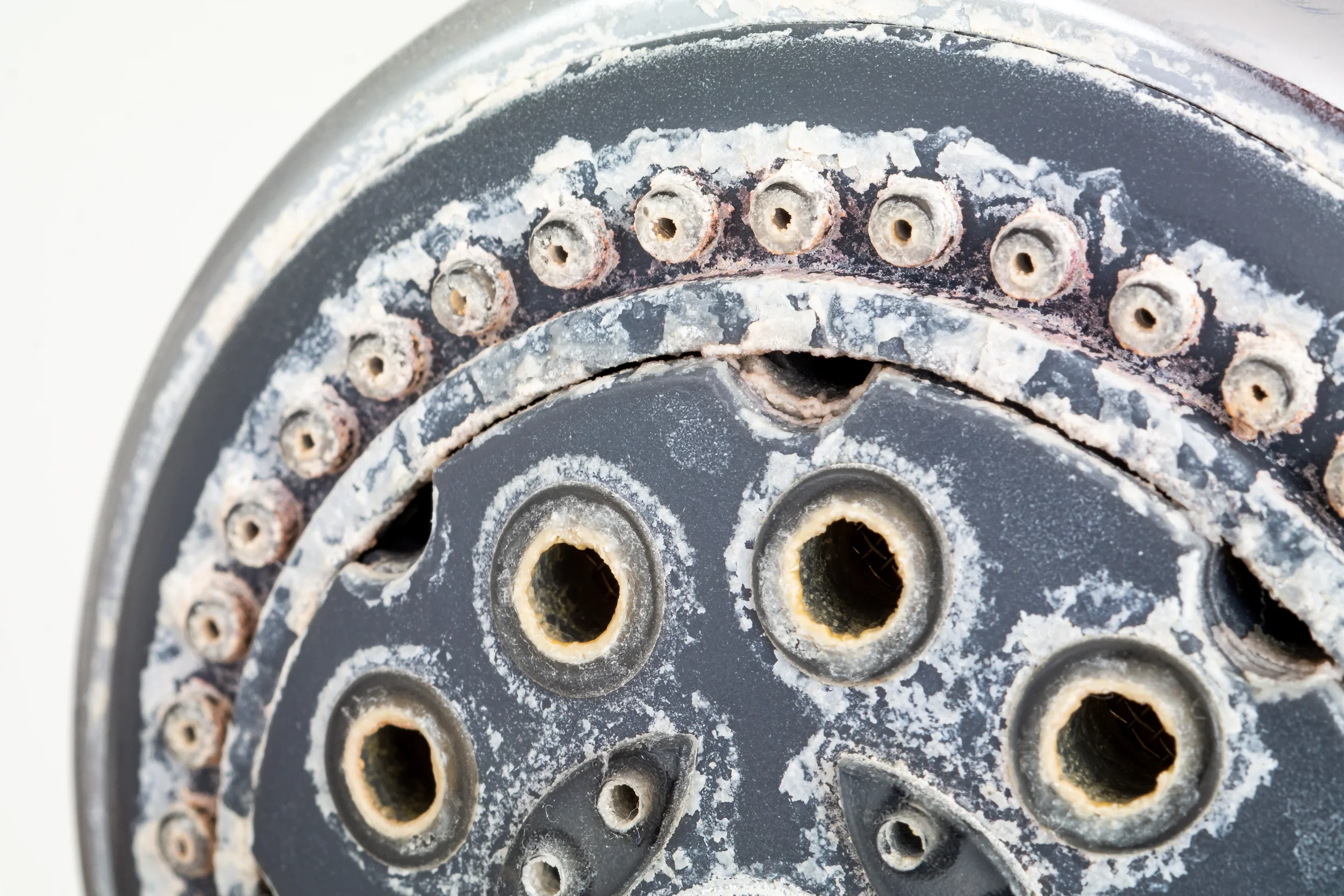
How do you know if you have a hardness problem? Look for these signs:
The 'White Crust': That chalky, stubborn buildup on your faucet aerators, showerheads, and around drain flanges.
Spotty Dishes: A cloudy film on your glasses, even immediately after a fresh dishwasher cycle.
The Soap Struggle: Soap and shampoo don't lather well, leaving your skin feeling 'sticky' or dry after a shower.
Appliance Stress: Hard water creates scale buildup inside water heaters and dishwashers, forcing them to work harder and significantly shortening their operational lifespan.
If you are seeing these signs, your home’s plumbing system is likely struggling under the weight of these minerals.
Is Your Water Softener Actually Working?
Water softeners are a staple in Minnesota homes, but they aren't 'set it and forget it' appliances. A common misconception I encounter in the field is that a softener lasts forever. In reality, just like your furnace or your water heater, a softener has a finite service life.
Why a 'Running' Softener Can Still Be Failing: We frequently see homes in the Twin Cities metro where the softener sounds like it’s working—it’s cycling, making noise, and consuming salt—but the internal resin beads have become fouled or 'spent.' When this happens, the unit is effectively just a pass-through pipe, providing no actual softening benefits to your plumbing or appliances.
The Trailblazer Inspection Insight: During my inspections, I don't just look for signs of life; I look for signs of performance. If I see scale buildup on your fixtures despite a softener that appears to be running, it’s a red flag that the resin bed or the control head likely needs professional servicing. Don't assume that 'noise' equals 'soft water’.
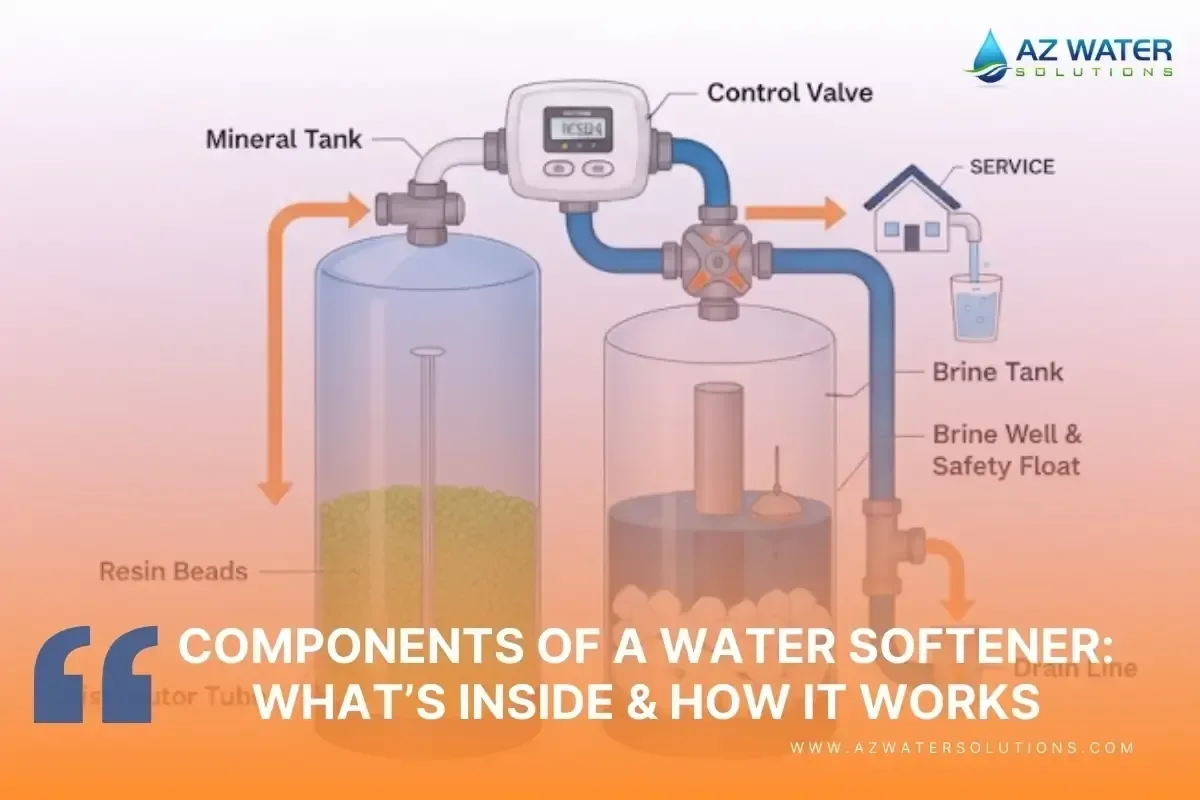
Softener Diagram / Ion Exchange
Trailblazer Tip!
〰️
Trailblazer Tip! 〰️
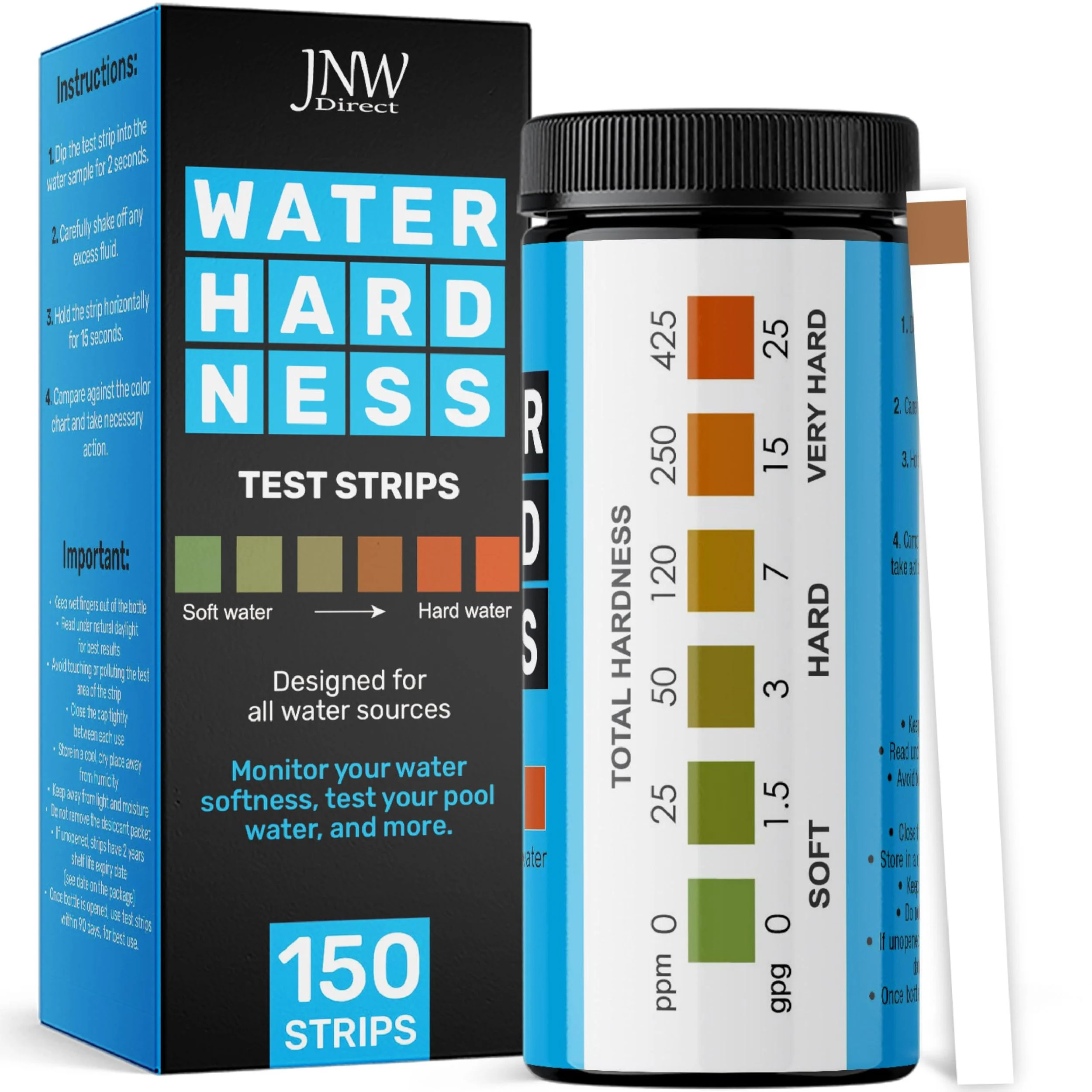
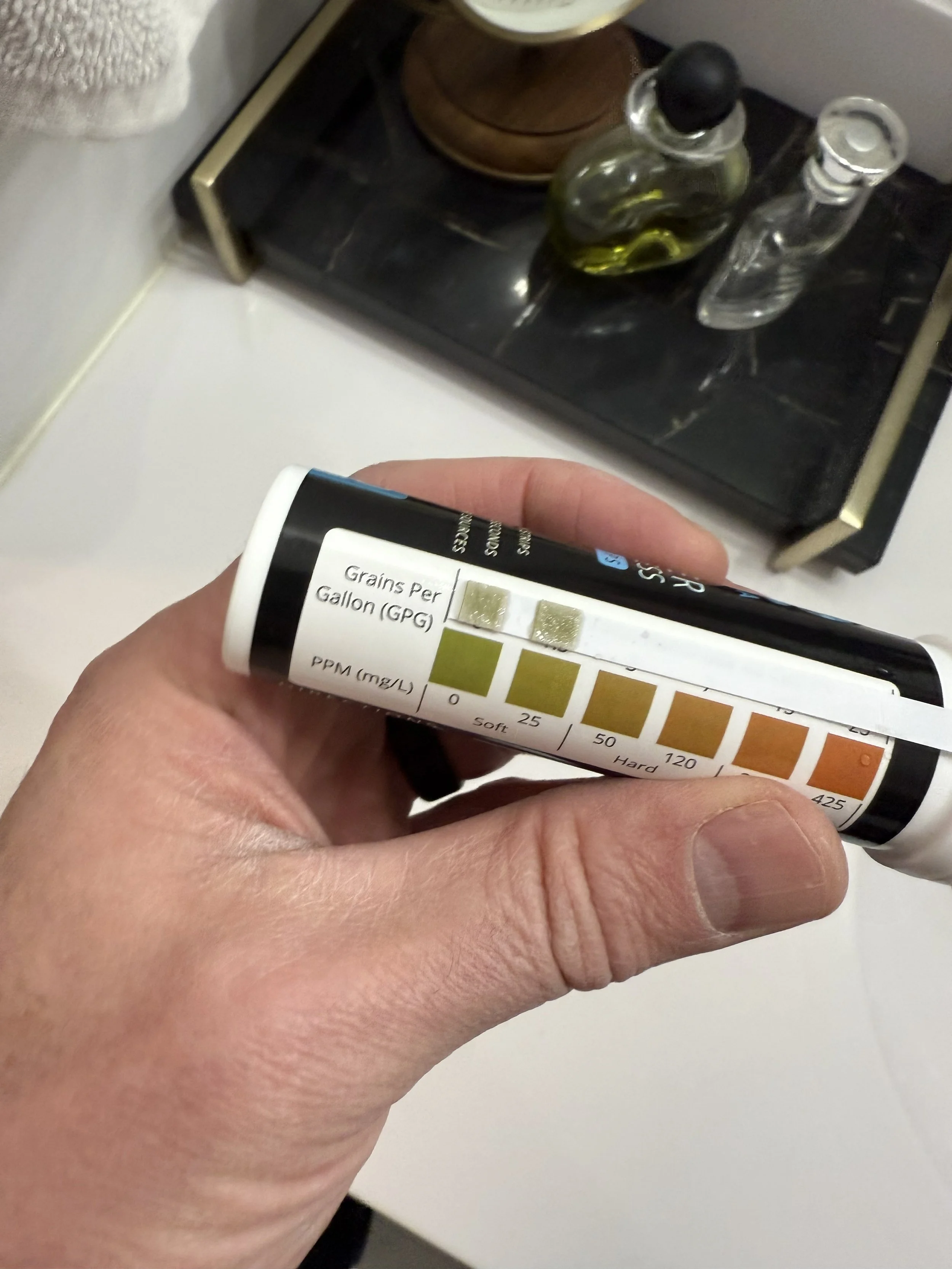
At Trailblazer Home Inspections, we include water hardness testing as part of our standard inspection process.
How to Get Real Answers (Not Guesses)
The biggest mistake homeowners make is guessing which filtration system they need. You shouldn't invest in a treatment system based on a salesperson’s pitch—you should make decisions based on objective data.
At Trailblazer Home Inspections, I believe you deserve to know exactly what’s happening in your pipes. That’s why I include on-site water hardness testing as a standard part of my inspection process for my Twin Cities clients.
Why this data-driven approach matters for you:
Verify Performance: I don't just look at the equipment; I test the water to verify if your current softener is actually doing its job.
Identify Early Failure: I spot underperforming systems before they have the chance to ruin your plumbing or prematurely kill your water heater.
Save Money: Avoid the stress and cost of buying an expensive, unnecessary treatment system. If the data shows your water quality is within a manageable range, you can keep that money in your pocket.

The Bottom Line
Your water might look clean, but that doesn't mean it’s optimized for your home. Whether you're buying a new house or you’ve lived in yours for a decade, understanding your water is the first step to protecting your home’s infrastructure.
Keep these four "Trailblazer Truths" in mind:
City water / perfect water: Even municipally treated water carries minerals that impact your appliances.
Well water requires active monitoring: When you are the utility company, you are the one responsible for the testing schedule.
Water hardness varies by location: Geography in the Twin Cities dictates the mineral content your home’s pipes have to fight every day.
Water softeners don’t last forever: Performance isn't a guarantee just because the unit is running.
The Bottom Line: Knowledge isn't just power—it's how you protect your investment from hidden, water-related damage.
The smartest move is to replace guesswork with data: test your water, understand the results, and treat it accordingly.
Ready to see what’s really in your tap? If you’re in the process of buying a home or just want a professional "health check" on your home’s systems, [click here to schedule your Trailblazer Inspection today].