The $10,000 Surprise: Why You Need a Sewer Scope Inspection Before Buying a Home
When you are in the middle of a home purchase, it is incredibly easy to focus on the elements you can see: the modern kitchen finishes, the age of the roof, or the layout of the living space. But the most critical—and potentially the most expensive—component of the property is often completely hidden from view, buried deep beneath your lawn.
Your home’s main sewer line is the one utility that most buyers never think about until it becomes a catastrophe. If you are currently navigating a purchase, skipping a sewer camera inspection could be a massively expensive mistake.
As a home inspector, I’ve seen firsthand how a "perfect" home can hide thousands of dollars in sewer damage, from root-choked pipes to structural collapses. Here is what you need to know about this vital inspection add-on and why it is the most important "insurance policy" you can purchase before closing.
What is a Sewer Scope Inspection?
A sewer scope is a quick, non-invasive, high-definition video inspection. Using a specialized, waterproof camera, an inspector navigates the home’s "lateral" line—the main pipe that connects your plumbing system to the municipal main or private septic tank.
This process provides a real-time, visual analysis of the pipe's interior condition, allowing us to see exactly what is happening underground without a single shovel hitting the dirt.
Why this is a crucial inspection step: For most buyers, the sewer line is the "great unknown" of the home purchase. By obtaining a live video record, you aren't just getting an inspection; you’re gaining technical documentation of the pipe's integrity. It provides the certainty you need to know if you are buying a sound system or a potential multi-thousand-dollar repair bill.
The Trailblazer Inspection Insight: In the Twin Cities, where we deal with deep frost lines and mature landscapes, the condition of that lateral line can change drastically over a few decades. This scope gives you the data to make an informed decision, rather than relying on a seller's disclosure—which often doesn't account for what’s happening in the dirt beneath the front yard.
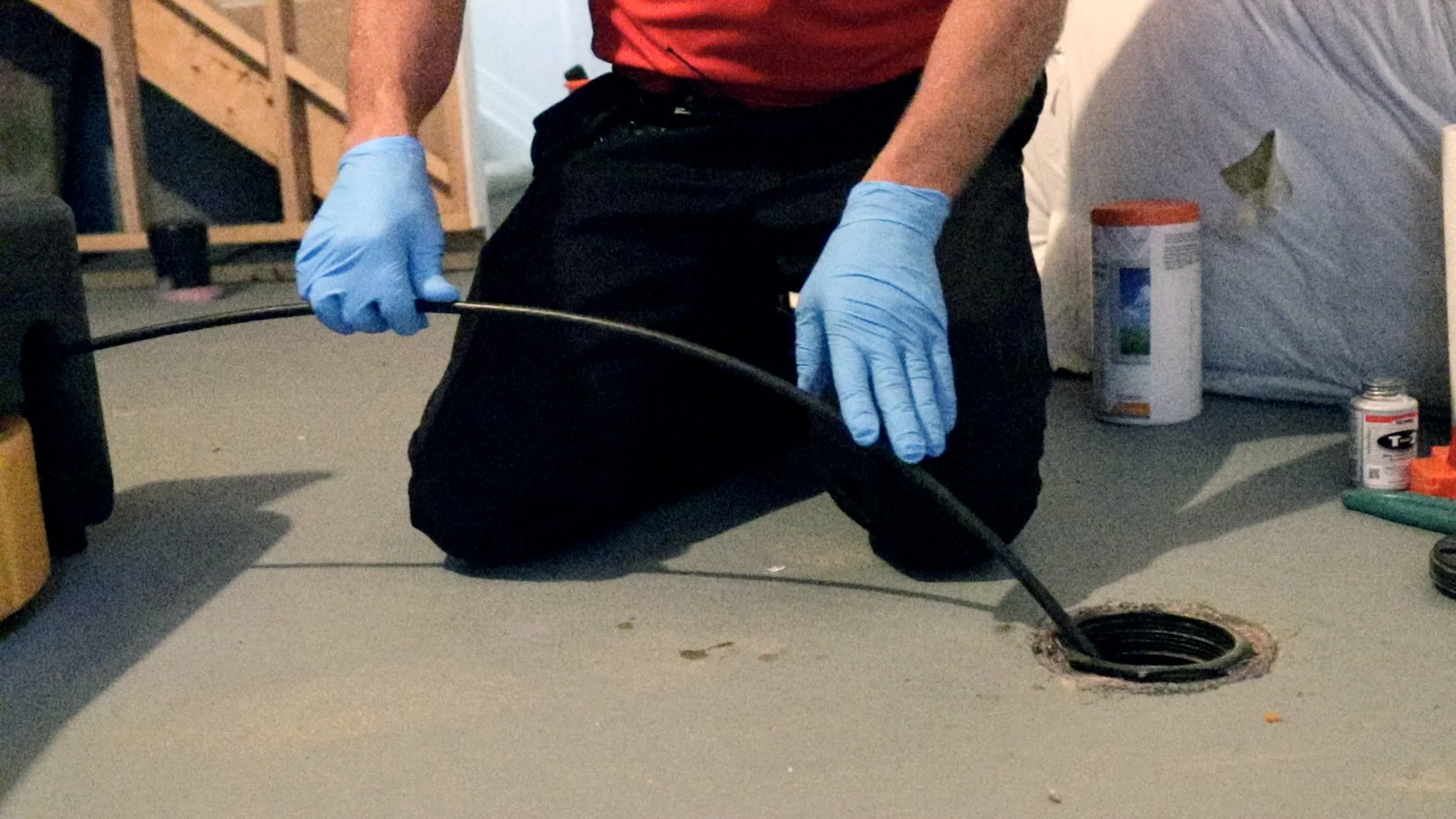
Real equipment used for underground pipe diagnostics.
Myth vs. Reality: Does Your Standard Inspection Cover the Sewer?
Many homebuyers operate under the assumption that if the inspector checks the sinks, toilets, and showers, the plumbing system is "cleared."
The Reality: A standard residential home inspection evaluates the home's interior plumbing—faucets, accessible drains, and visible supply pipes—but it does not include an underground sewer line inspection.
Because the main lateral line is buried beneath your lawn and foundation, it is outside the scope of a standard interior evaluation. These pipes require specialized, high-definition camera equipment to inspect. When I perform a sewer scope, I am investigating a critical piece of infrastructure that is completely invisible during the rest of the home inspection process.
📷 See it in action: High-Definition Sewer Imaging:
A picture—or in this case, a high-definition video—is worth a thousand words. Check out the clip below from a recent inspection in the Twin Cities.
This video demonstrates exactly how we use a specialized, waterproof borescope to navigate the main lateral line. Notice how clearly we can assess the integrity of the pipe joints and the overall condition of the line—all without digging a single hole in the homeowner’s lawn. This is the level of transparency you deserve before you close on your investment.
The Hidden Risk: Why Your Sewer Line Matters
The sewer lateral is the critical pipe that connects your home’s plumbing system to the municipal main or your private septic system. Because it is buried underground, it is all too easily ignored during the excitement of buying a house. However, a failure here is not just a nuisance—it can lead to catastrophic sewage backups inside your home and an immediate, massive repair bill.
The True Cost of a Failure Replacing or repairing a cracked, crushed, or collapsed main sewer line is rarely a simple task. Because the line runs beneath your property, repairs often require extensive excavation that can destroy expensive landscaping, driveways, sidewalks, or even penetrate the home's foundation.
The Trailblazer Inspection Insight: As an inspector, I want my clients to understand that a sewer line is not just a pipe; it is a major financial liability. When you scope that line, you are essentially determining if you are inheriting someone else's future construction site. Knowing the condition of that pipe before you sign on the dotted line is the difference between moving into your dream home and moving into an unexpected, high-stakes renovation project.
The Financial Reality: Why Sewer Repairs Are High-Stakes
Replacing or repairing a main sewer line is rarely a simple task. Because these pipes are buried, repairs often require extensive excavation, potentially destroying expensive landscaping, driveways, sidewalks, or even your home's foundation. It is a major construction project that can easily cost thousands of dollars—making a pre-purchase sewer scope one of the smartest investments you can make..
4 Major Issues Found During a Sewer Camera Inspection
Older homes and properties with mature trees are at the highest risk, but even new construction can hide defects like improperly installed joints or construction debris. During a sewer scope, I look for these four primary indicators of system failure:
Structural Integrity: I check for crushed, collapsed, or "offset" pipe sections. These structural failures are often caused by ground shifting, freeze-thaw cycles, or heavy external pressure, and they almost always require excavation to repair.
Root Intrusion: Tree roots are relentless; they seek the moisture escaping from even the tiniest pipe joint. Once inside, they form dense mats that act like a net, catching debris and causing permanent pipe damage.
Material Failure: Many area homes still rely on aging pipe materials like brittle clay, deteriorating cast iron, or obsolete fiber-conduit (such as Orangeburg). These materials have a finite lifespan and are prone to scaling and eventual disintegration.
Blockages & Debris: It isn't just roots. We identify significant grease buildup, industrial sludge, or forgotten construction debris that can lead to immediate, recurring drainage issues the moment you move in.
The Trailblazer Inspection Insight: "Identifying these issues before closing isn't just about finding a defect—it’s about gathering the evidence you need to negotiate. When I find a 'belly' or significant root intrusion, I provide the video documentation you need to hold the seller accountable or request a repair credit, effectively turning a potential $10,000 problem into a manageable negotiation point."
Protect Your Investment & Gain Negotiating Leverage
Finding a sewer issue isn’t necessarily a reason to walk away from your dream home—but finding it before you close gives you the power to handle it on your terms.
Having a sewer scope completed during your due diligence window provides total transparency. If a significant defect is discovered, you gain the vital leverage you need to negotiate:
Request Repairs: You can insist that the seller hires a licensed professional to repair the issue before the keys are handed over.
Negotiate Price Reductions: Use the video documentation to request a purchase price adjustment that reflects the true cost of the upcoming repair.
Secure Closing Credits: Ask for a closing cost credit to cover the fix, ensuring that you aren’t paying out of pocket for an existing infrastructure problem.
The Bottom Line: Once you sign those closing papers, that buried pipe becomes your financial responsibility. Don’t gamble on what’s happening beneath the surface. Get the data, verify the integrity of your lateral line, and move into your new home with the total confidence that your investment is sound.
Let Trailblazer Home Inspections Handle It
At Trailblazer Home Inspections, I believe in providing a truly comprehensive look at your prospective property—from the peak of the attic all the way down to the underground plumbing.
While a professional sewer scope requires specialized equipment beyond a standard home inspection, I make the process entirely seamless for you. You don’t need to worry about the hassle of managing multiple contractors or juggling different schedules. If requested, I coordinate this service through trusted, licensed third-party professionals to perform the scope right during your standard inspection window.
You get the critical answers you need with the convenience of a single, coordinated visit.
Don't let a hidden, expensive underground surprise ruin the excitement of your new home.
[Contact Trailblazer Home Inspections today]to schedule your comprehensive home inspection and seamlessly add a sewer scope to your service package.